Preparing Your Dublin Home For Market Without Over-Spending
April 2, 2026
April 2, 2026
If you are getting ready to sell in Dublin, it is easy to wonder whether you need a long list of upgrades just to keep up. The good news is that you usually do not need to overspend to make a strong impression. In a higher-price market where buyers still notice condition and presentation, smart prep often beats expensive remodeling. Let’s dive in.
Dublin remains a higher-end market by Central Ohio standards. Zillow reports an average home value of $552,310 as of February 28, 2026, while Redfin data cited in the same market context showed a February 2026 median sale price of $580,000 and a 98.8% sale-to-list ratio. That tells you buyers are still paying close to asking price when homes are well positioned.
At the same time, the market is not as frantic as it was a few years ago. Columbus REALTORS® reported rising inventory and more typical conditions across central Ohio, with inventory up 7.6% year over year and days on market at 49 in February 2026. In that kind of market, buyers tend to compare homes more carefully, which makes clean presentation and visible upkeep especially important.
Dublin also has a highly owner-occupied housing base and a high median household income, according to U.S. Census QuickFacts. That does not mean you need luxury finishes everywhere. It suggests that broad appeal, move-in-ready condition, and a polished first impression can go a long way.
Before you price out a remodel, focus on the work that improves how your home looks, feels, and photographs. According to the National Association of REALTORS® 2025 staging research, sellers’ agents most often recommend decluttering, whole-home cleaning, and curb appeal improvements first. Paint touch-ups, minor repairs, carpet cleaning, painting walls, and landscaping also ranked high.
That order matters. If your home has too much furniture, visible wear, crowded surfaces, or deferred maintenance, a major renovation may not fix the bigger issue buyers notice first. In many cases, the best first spend is simply making the home feel cleaner, lighter, and easier to picture as home.
These steps are practical, cost-conscious, and proven to support better presentation.
Not every room deserves the same budget. NAR found that the living room, primary bedroom, and kitchen are the most important rooms to stage. The guest bedroom ranked as the least important, which is helpful if you are trying to decide where to spend your time and money.
That means you should prioritize the spaces that shape a buyer’s first emotional reaction. If your living room feels open and bright, your kitchen feels clean and functional, and your primary bedroom feels calm and spacious, the rest of the home often benefits from that momentum.
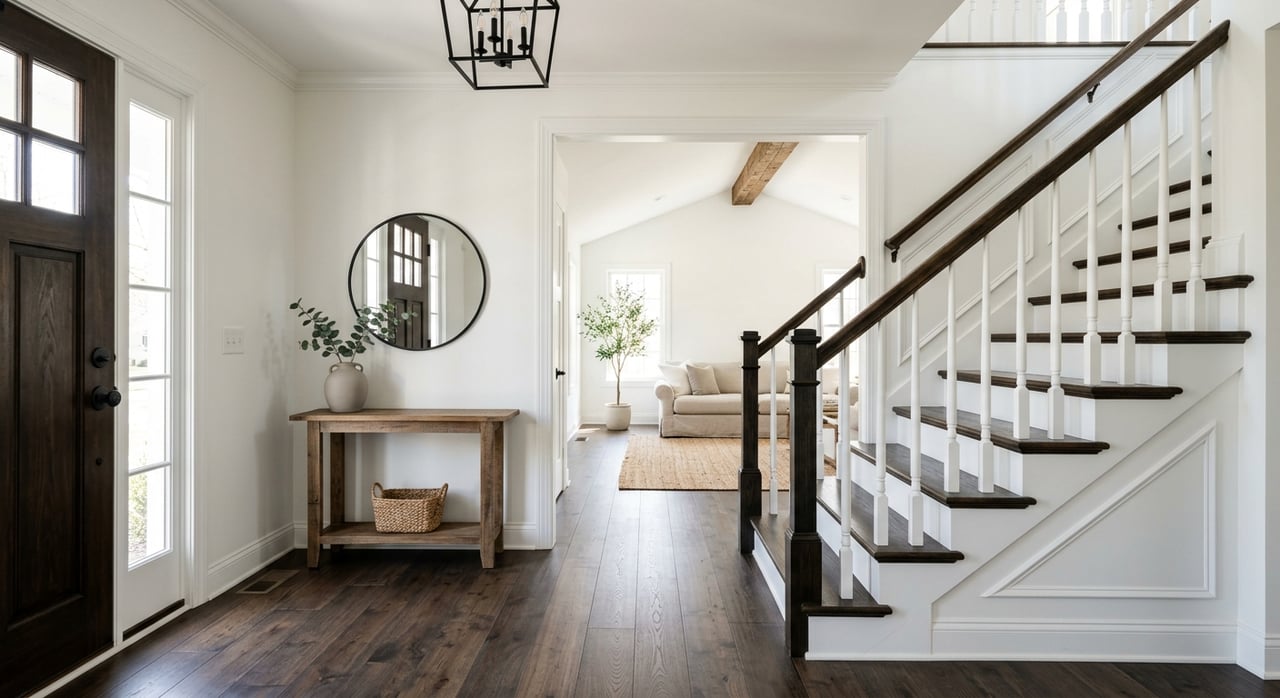
Your living room should feel open, easy to navigate, and clearly defined. Remove extra furniture, reduce bulky decor, and create a simple layout that shows the room’s size and function. If needed, neutral pillows, fresh lighting, and a few intentional accessories can help without making the space feel overstyled.
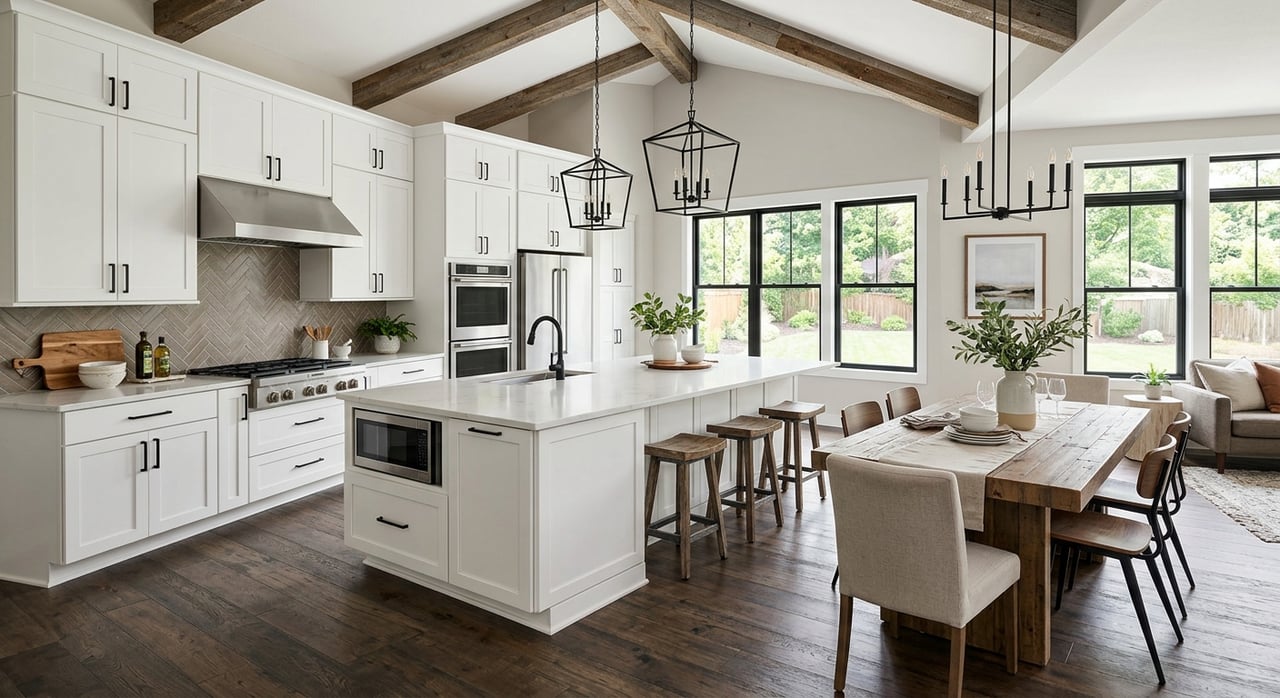
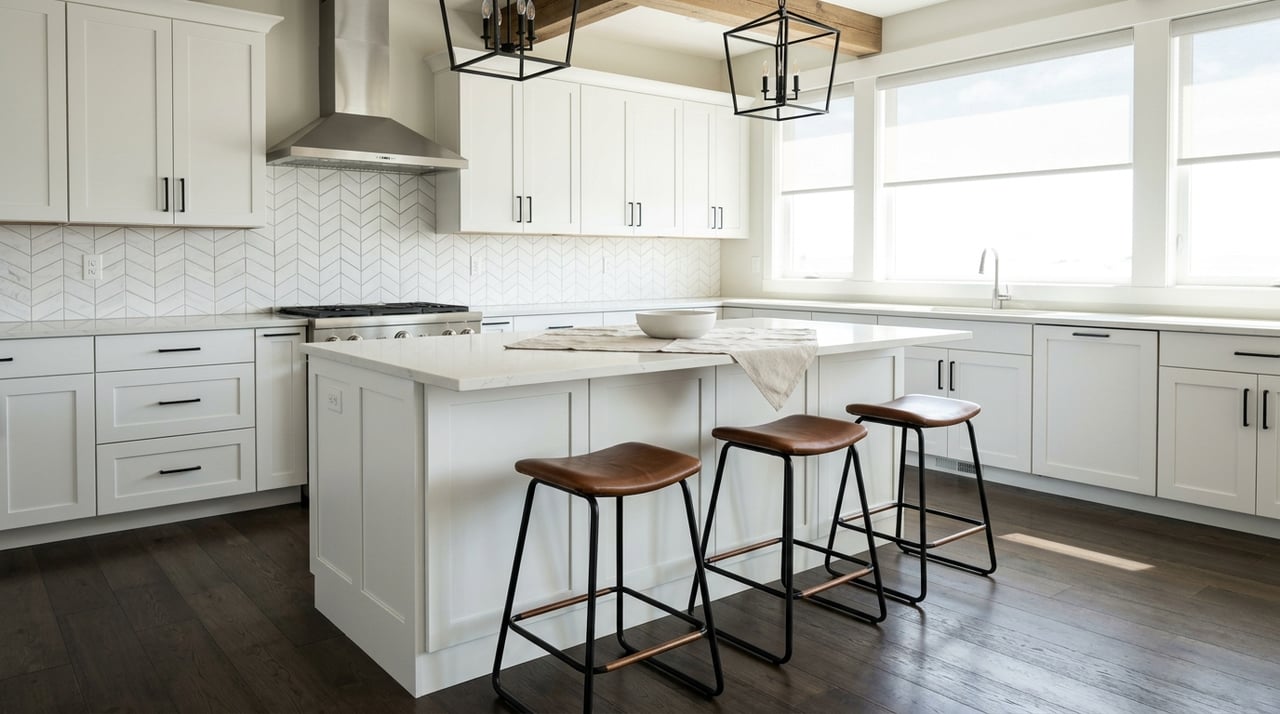
In the kitchen, focus on cleanliness and visual simplicity. Clear counters, organize open shelving, clean grout and backsplash areas, and address small issues like loose hardware or worn caulk. You do not always need a full remodel when a minor refresh can make the room feel much more current.
The primary bedroom should feel restful and uncluttered. Keep surfaces mostly clear, simplify bedding, and remove excess furniture if the room feels tight. Buyers respond well to spaces that feel calm and move-in ready.
Staging can absolutely help, but it is best to think of it as a marketing tool, not a guaranteed price booster. In the NAR report, 41% of buyers’ agents said staging had no impact on the dollar value offered, while others reported more modest gains, often in the 1% to 5% range. That is why staging works best as part of a larger plan to improve presentation and reduce buyer hesitation.
The same research found that buyers’ agents placed more importance on photos, traditional physical staging, videos, and virtual tours than on virtual staging alone. If you are choosing where to invest, it often makes sense to prioritize real-world presentation and strong listing media first.
For many sellers, the smartest path is selective staging instead of a full-house approach. Because Kara Barnhart Real Estate brings Accredited Staging Professional expertise to the listing process, you can make more focused decisions about what needs attention and what does not.
If you do want to invest in improvements, visible and practical updates tend to be a safer bet than large, taste-specific remodels. Columbus Cost vs. Value data showed especially strong returns for exterior replacement projects, including garage door replacement, steel entry door replacement, manufactured stone veneer, and fiber-cement siding. Among interior projects, a minor kitchen remodel performed well, while a midrange bath remodel delivered a lower return.
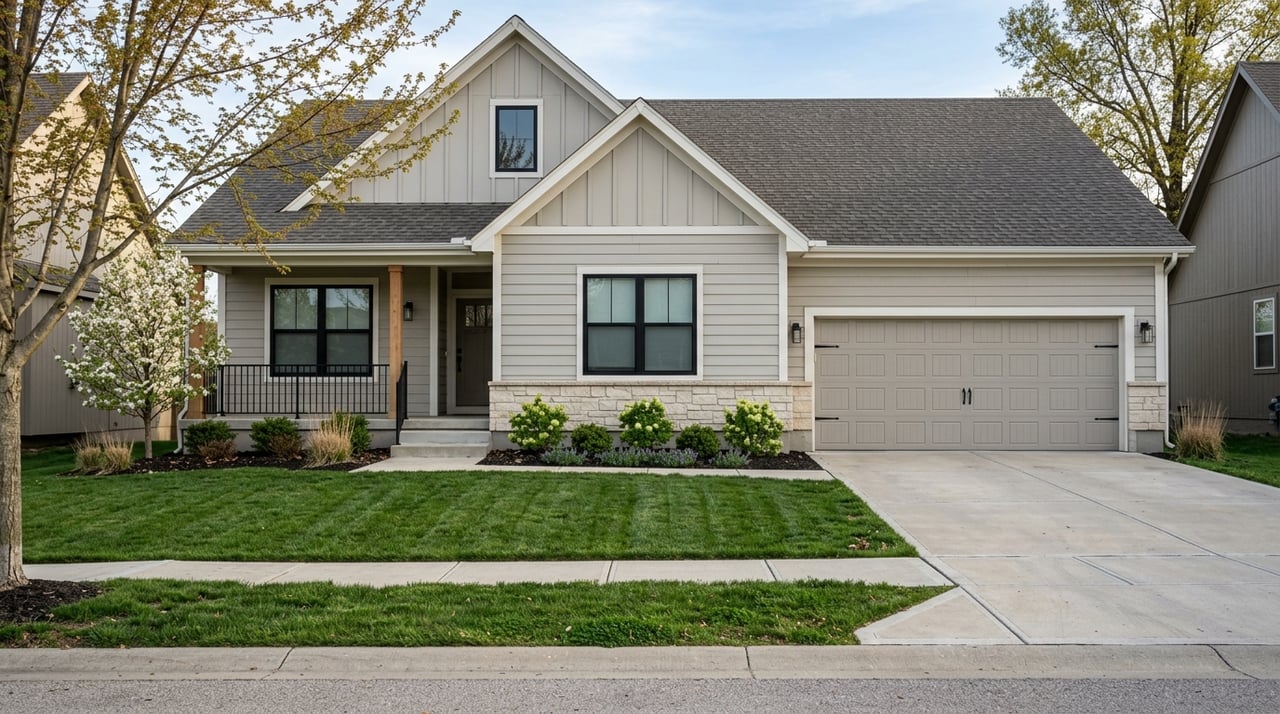
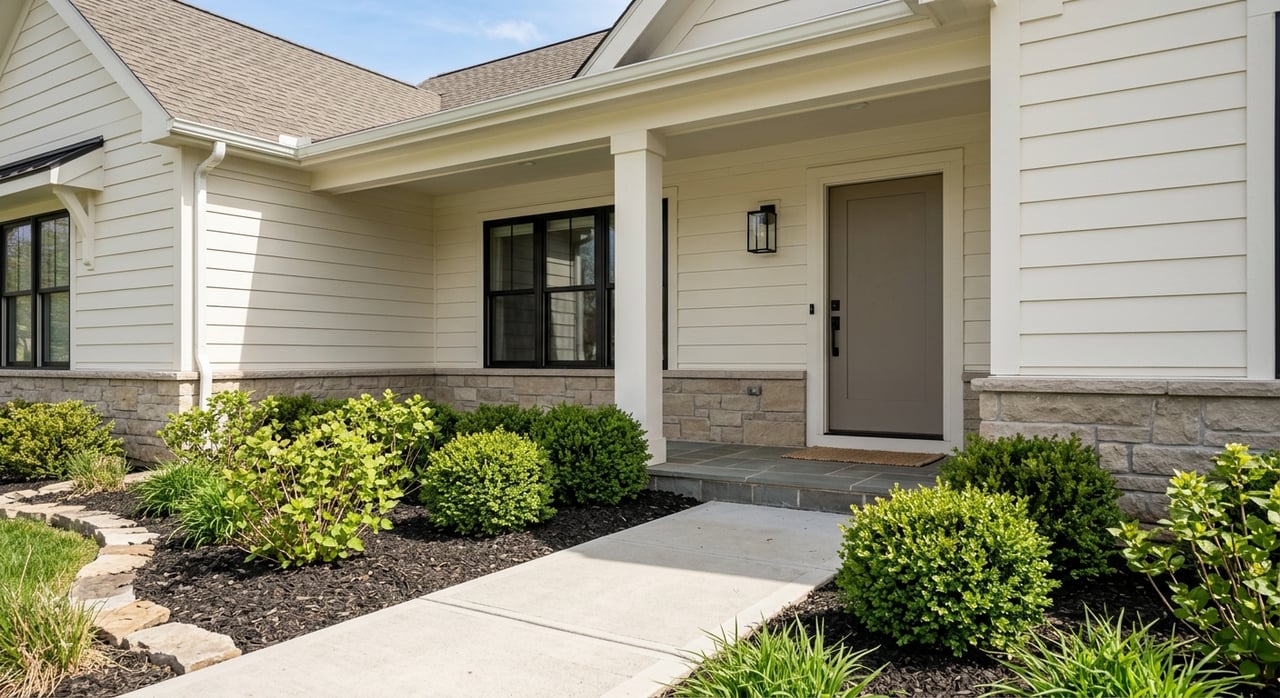
For a Dublin seller, that supports a simple idea: start with what buyers see first. A clean front entry, a refreshed door, updated hardware, trimmed landscaping, and a tidy exterior can make a strong impact without the cost and disruption of a full renovation.
If a room is functionally weak or clearly far behind the surrounding market, an update may make sense. But if the issue is mostly cosmetic, you are often better off neutralizing the space and presenting it well.
One of the easiest ways to waste money before listing is to spend on stylish upgrades while leaving obvious flaws untouched. Buyers tend to notice dripping faucets, broken latches, stained grout, damaged screens, chipped paint, and worn flooring transitions. These issues can make a home feel less cared for, even if you have spent money elsewhere.
That is why practical repairs usually come before trend-driven improvements. A home that feels maintained often shows better than one with expensive finishes and lingering defects.
In a market like Dublin, broad appeal matters. Census data points to a well-educated, largely owner-occupied community with many households looking for homes that feel polished and easy to settle into. That supports a presentation strategy built around neutral paint, simplified decor, and rooms that feel functional instead of highly personalized.
NAR also found that staging can help when a home is decorated heavily to the seller’s taste. If your style is bold, very specific, or layered with a lot of personal collections, toning it down can help buyers focus on the home itself.
Your listing photos are not an afterthought. In the NAR research, buyers’ agents rated photos as the most important staging-related marketing tool. That means all the cleaning, decluttering, and room editing you do should be done with photography in mind.
Look at each main room and ask a simple question: will this look bright, open, and inviting in photos? If the answer is no, keep simplifying. Often, the final 10% of prep is what makes the biggest visual difference online.
If you want a simple plan, use this order:
This kind of disciplined approach is especially useful if you are juggling a move, an estate sale, or another major life transition. It helps you protect your budget while still preparing your Dublin home to compete.
When you are ready for a clear, cost-conscious plan, Kara Barnhart can help you decide what to do first, what to skip, and how to prepare your home for the market without adding unnecessary stress.
Stay up to date on the latest real estate trends.


A real estate experience built on trust, care, and clear guidance from start to finish. She takes the time to understand your family’s needs, handles every detail with intention, and ensures the process feels smooth and stress-free. With expert staging insight and specialized probate support, Kara is committed to protecting your interests and helping you achieve the best possible outcome.