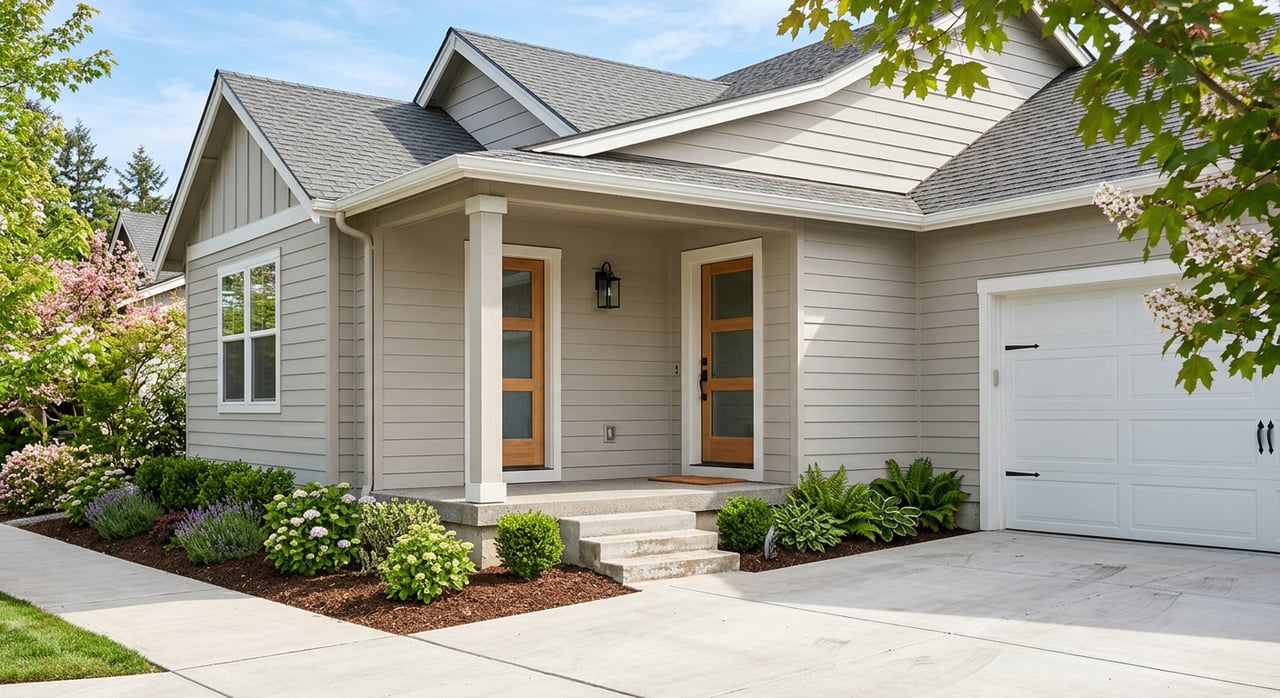
Is Dublin, OH The Right Next Move For You?
March 24, 2026
March 24, 2026
Wondering if your next chapter belongs in Dublin, Ohio? If you’re comparing Central Ohio suburbs, you’re likely weighing schools, commute, home styles, and that hard-to-pin-down feeling of community. You want real facts and a clear picture, not hype. In this guide, you’ll get a practical look at Dublin’s housing, lifestyle, jobs, and everyday logistics so you can decide with confidence. Let’s dive in.
Dublin sits on the northwest edge of the Columbus metro and functions as its own city government with active planning and development. It has about 49,000 residents, a highly educated population, and a median household income in the six figures. According to U.S. Census QuickFacts, Dublin’s owner‑occupied home values cluster in the mid‑$500k range and the mean travel time to work is about 23 minutes. You can review these baseline figures directly in the Census profile for Dublin.
If you want to park the car and stroll to dinner, focus your search on Historic Dublin and Bridge Park. Historic Dublin offers a small‑town main street feel along High Street with local shops and restaurants. Across the river, Bridge Park is a modern mixed‑use district with condos, apartments, offices, dining, and public spaces designed for everyday walking. Explore the Bridge Park project overview to see the mix of homes and amenities.
A signature feature tying the two sides together is the Dublin Link, a pedestrian and bicycle bridge that makes it easy to walk between Historic Dublin and Bridge Park. It anchors community events and connects to Riverside Crossing Park. Learn more about the Dublin Link and downtown improvements.
Much of Dublin is classic suburban living with larger lots and neighborhood amenities. Muirfield Village is the most widely known example, a planned community centered on Muirfield Golf Club with pools, paths, and active community programming. For a sense of rules and amenities, check the Muirfield Association resources. Other higher‑end options include golf‑course communities like Tartan Fields and a range of well‑kept subdivisions from the 1970s through the 2000s.
Dublin continues to add select master‑planned phases and infill, especially within the Bridge Street corridor. Newer homes typically feature open plans, larger kitchens, and energy‑efficient systems, while older neighborhoods can offer more approachable entry prices depending on condition. If you prefer low‑maintenance living, townhomes and condos near Bridge Park are popular with both first‑time buyers and downsizers.
Expect a premium compared with the broader Columbus region. Based on recent U.S. Census estimates, Dublin’s median owner‑occupied home value sits in the mid‑$500k range. Private market trackers often show recent median sale prices in a broad band from the high $400ks to the mid $500ks depending on date and property type. Because methodologies vary, use a current local MLS search for up‑to‑the‑minute pricing and compare homes by neighborhood and school attendance area.
Dublin City Schools serves most of the city with three traditional high schools — Coffman, Jerome, and Scioto — plus specialized programming like Emerald Campus. Many buyers consider school programming and attendance boundaries early in the process. Because school zones and city limits are not identical and can change over time, always confirm attendance with the district. Start with the Dublin City Schools site and review the latest district resources and state report card data.
If you value outdoor time close to home, Dublin shines. The city runs an extensive park system, multi‑use trails, and a busy community recreation center. Coffman Park hosts major events, and Riverside Crossing Park links to downtown districts and the Dublin Link bridge. For a big‑picture view, see the city’s Parks and Recreation Master Plan.
Dublin’s event calendar adds to the community vibe. The Dublin Irish Festival each August draws visitors from across the region and showcases food, music, and cultural performances. You can explore dates and details via the Dublin Irish Festival ticket portal.
Average commute times are reasonable by big‑city standards. According to the Census, Dublin’s mean travel time is about 23 minutes, and many residents report 15 to 30 minutes to downtown Columbus depending on traffic and origin. The main travel corridors include I‑270, State Route 161, and U.S. Route 33, which also shape which neighborhoods feel most convenient for your daily routine. You can confirm the commute baseline in the Census QuickFacts profile.
Dublin hosts several large employers and headquarters, including Cardinal Health, The Wendy’s Company, OCLC, and significant healthcare and tech operations. This concentration of jobs keeps daytime activity high and supports strong retail and restaurant options. Review the city’s list of top employers for a sense of the corporate landscape.
Dublin is primarily car‑oriented today. Regional leaders are studying bus rapid transit corridors that would improve links between Columbus and the northwest suburbs over time. It is a long‑term, incremental plan, not a subway. For context on potential routes, see the WOSU summary of COTA’s BRT studies.
Ready to talk through how Dublin compares to your current neighborhood and budget? With professional staging, clear pricing strategy, and specialty support for probate and divorce sales when needed, Kara Barnhart helps you make your next move with confidence. Reach out for a free home value and compassionate consultation.
Stay up to date on the latest real estate trends.



A real estate experience built on trust, care, and clear guidance from start to finish. She takes the time to understand your family’s needs, handles every detail with intention, and ensures the process feels smooth and stress-free. With expert staging insight and specialized probate support, Kara is committed to protecting your interests and helping you achieve the best possible outcome.