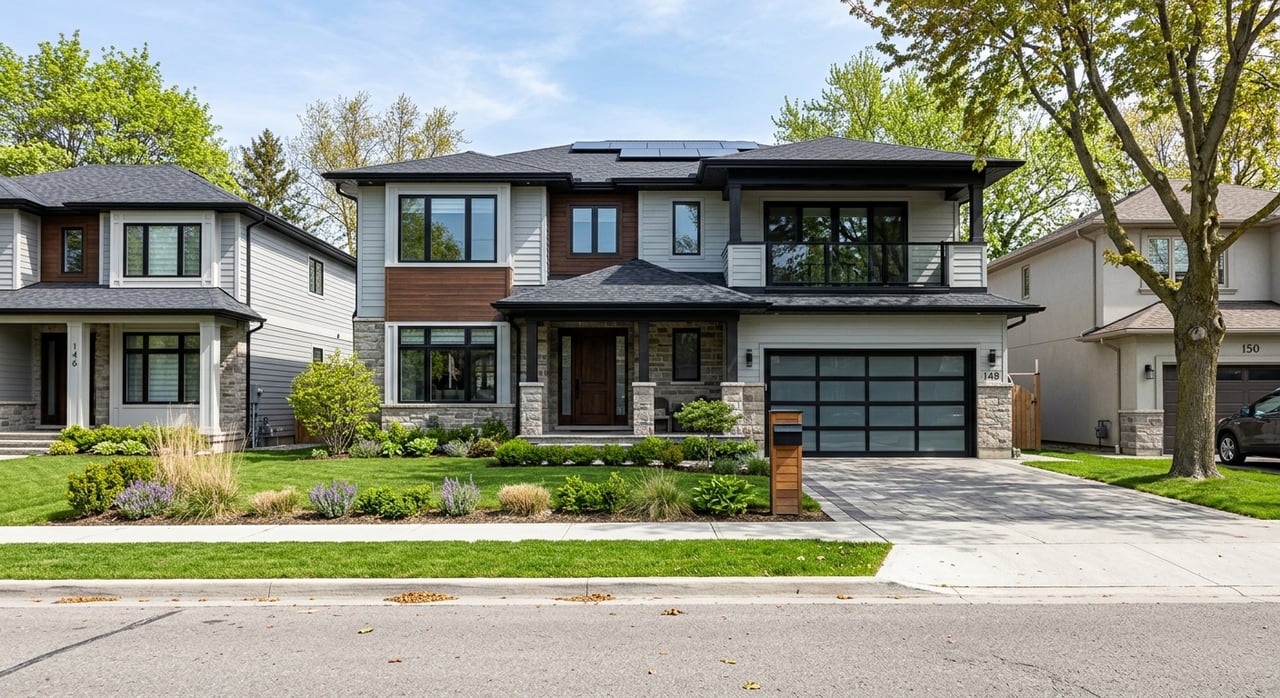
Home Styles And Lot Types Buyers See In Powell
June 18, 2026
June 18, 2026
Are you trying to picture what kind of home you might actually find in Powell? Many buyers start with price and square footage, but in Powell, home style and lot type often shape your day-to-day life just as much. If you want to understand what is common, what feels more low-maintenance, and where you may find more yard or more compact living, this guide will help you compare your options with more confidence. Let’s dive in.
Powell is still strongly residential, and detached homes remain the most familiar part of the market. City planning materials show a development pattern that leans heavily toward residential land uses, with many neighborhoods built at lower densities and much of the city zoned Planned Residence District.
That helps explain why many buyers picture Powell as a place of traditional single-family neighborhoods first. At the same time, the housing mix is broader than many people expect, with ranch communities, patio homes, condo-style housing, townhome options, and some compact newer infill development also part of the landscape.
Powell is also a high-owner-occupancy market with relatively high home values. Recent federal and county data show an 88.0% owner-occupied rate, a median owner-occupied home value of $561,500, and continued population growth through 2024, which supports the idea that buyers are shopping in an established suburb that is still adding homes.
If you tour homes in Powell, the traditional detached single-family home is still the style you are most likely to see. The city’s older comprehensive plan found that about 83% of existing and approved housing stock was detached single-family, which still helps explain the overall feel of the market today.
In simple terms, detached single-family means the home has open space on all four sides. That often gives you more separation from neighboring homes and a more classic suburban layout with front, side, and back yard areas.
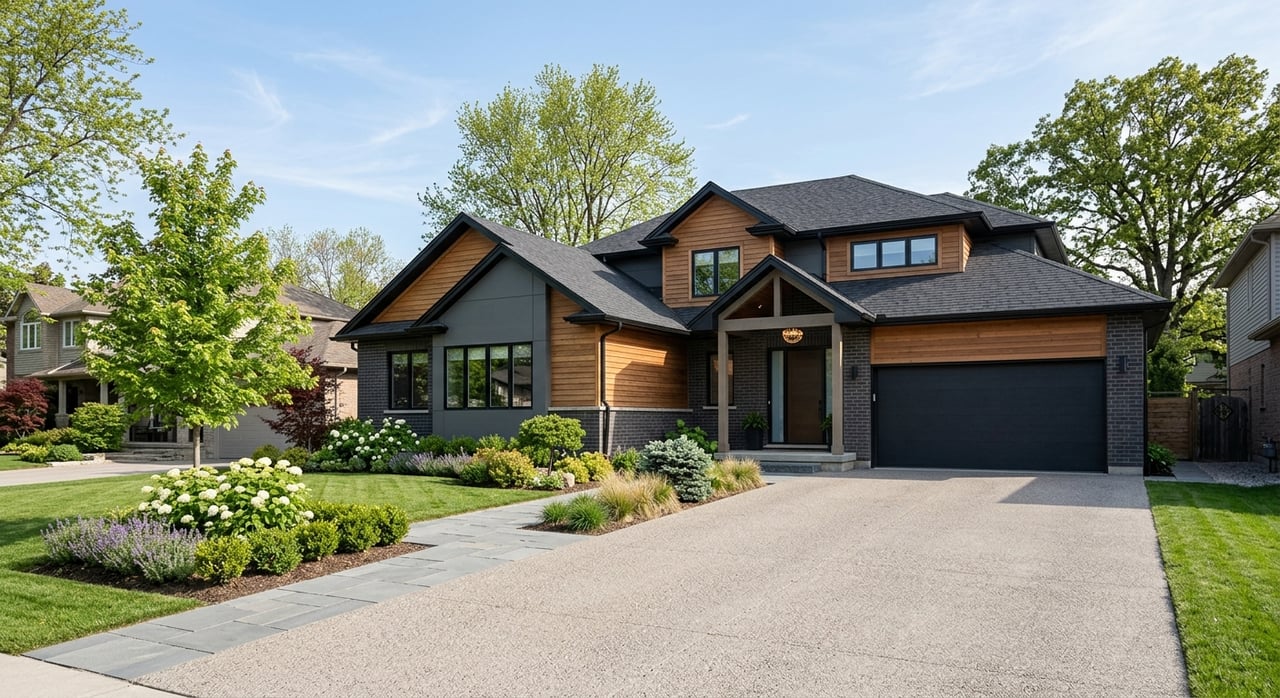
For many buyers, this is the easiest home type to picture. You may see two-story layouts with more defined bedroom separation, attached garages, and conventional subdivision settings that feel familiar and practical for everyday routines.
This style can be a strong fit if you want a more traditional setup, more outdoor space than a compact attached product, or simply the most common home pattern in Powell. Because so much of the city was built around detached housing, this category gives you the widest range of established neighborhood options.
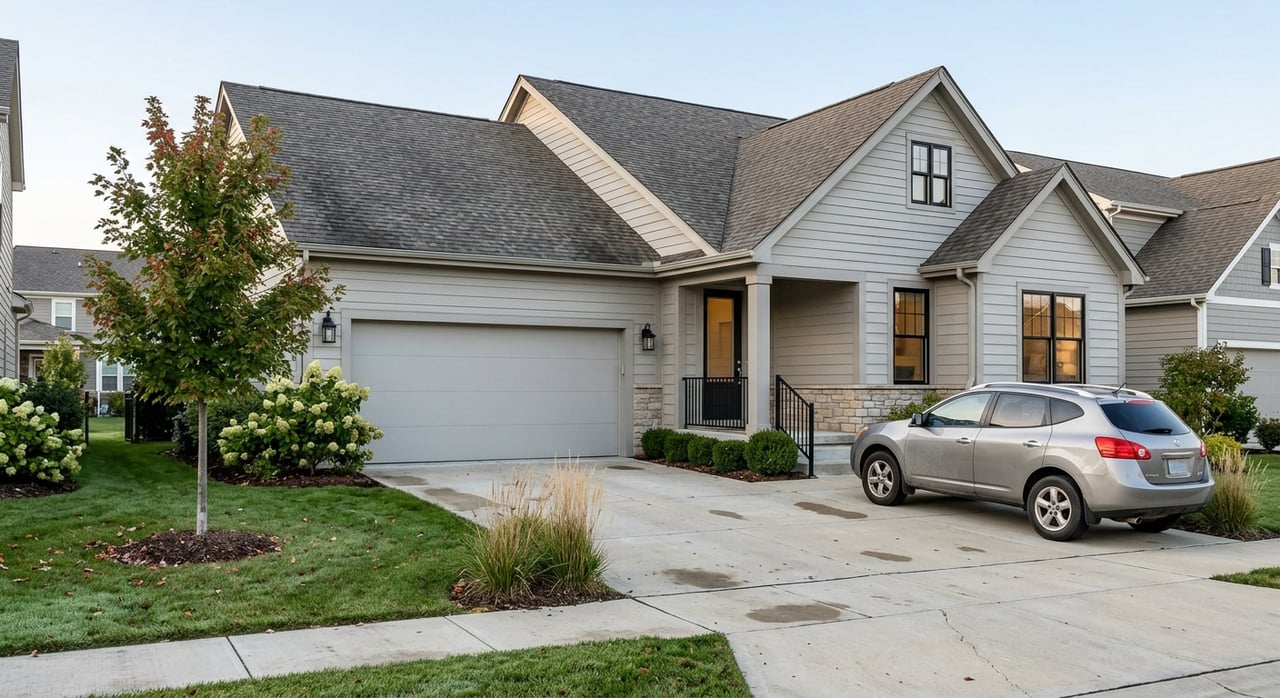
Powell is not only a two-story market. Ranch and patio-home communities are a visible part of the local mix, and they often appeal to buyers who want one-floor living or a lower-maintenance setup.
Examples in city and community materials include communities with ranch patio homes and ranch floor plans ranging from about 1,418 to 4,060 square feet. That is important because in Powell, a ranch does not always mean small. In many cases, it can still mean a spacious home with upscale finishes and a more streamlined layout.
A ranch layout can make daily living feel simpler because the main spaces are on one level. Patio-home communities may also appeal to buyers who want less yard work than a conventional subdivision lot usually requires.
That said, not every ranch or patio home works the same way. Some offer a luxury, low-maintenance feel, while others may still sit on lots that require meaningful outdoor upkeep. When you tour, it helps to ask not only about the floor plan, but also how much exterior maintenance comes with the property.
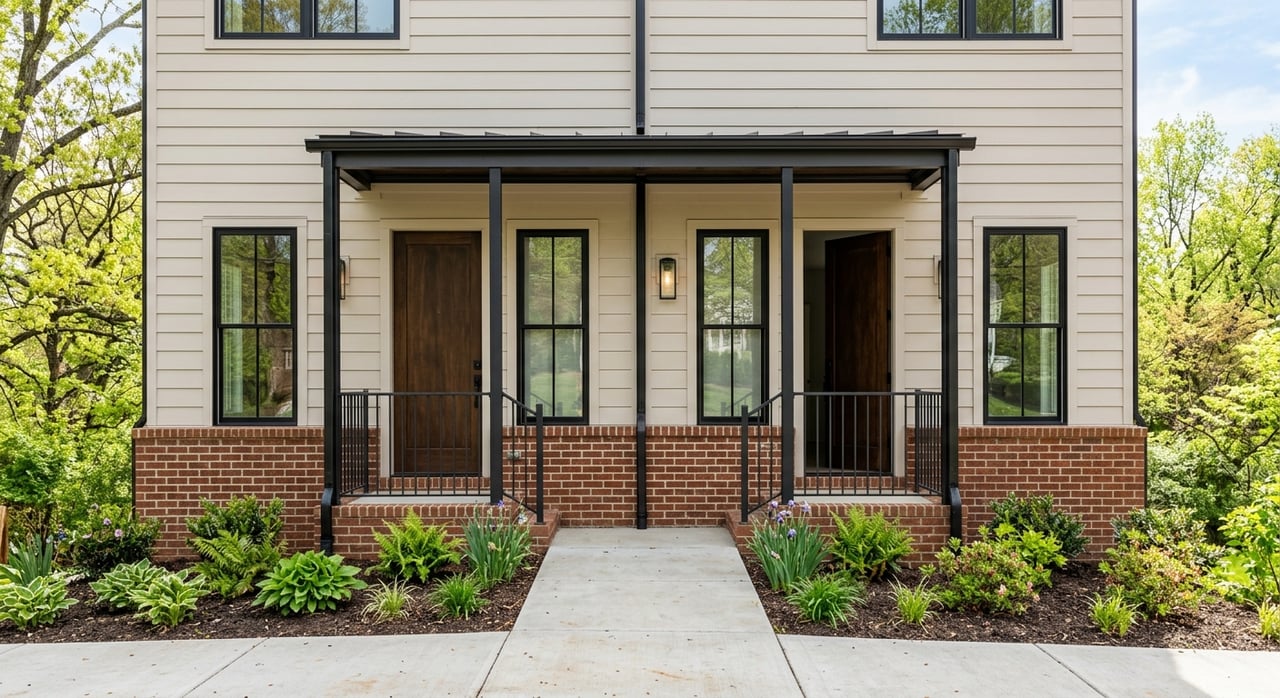
If you are looking for something with less exterior upkeep or a smaller footprint, Powell does include attached housing options. The current zoning code allows townhomes and multi-family housing, and county profile data shows a housing mix that includes both single-family and multi-family units.
Older city planning materials describe attached housing in Powell as being primarily condo structures with two to five units. In practical terms, this is often the category that feels more compact and more maintenance-friendly than a detached home on a larger lot.
Attached housing means a unit shares walls with another unit from ground to roof. That distinction matters because the day-to-day experience can feel very different from a detached home, especially when it comes to privacy, yard size, and exterior responsibilities.
For some buyers, that tradeoff makes sense. If your goal is less yard work, a simpler exterior setup, or a more efficient use of space, this type of home may be worth a closer look.
Powell also includes established subdivisions with a very different feel from newer developments. Some neighborhoods are known for rolling terrain, mature trees, and a more landscape-rich setting that can give the area a settled, long-established character.
For example, community information for Wedgewood describes more than 440 single-family homes in a setting with rolling hills and mature trees. That tells buyers something useful: Powell is not just a market of newer homes and uniform new-build streetscapes.
Older subdivisions may offer larger trees, more varied lot placement, and a different visual rhythm than newer communities. They may also appeal to buyers who value a neighborhood that feels more established from day one.
If you like the idea of a less newly built look, these areas can be worth adding to your search. The home style may still be traditional, but the lot feel and streetscape can be quite different.
The default lot pattern in Powell is still the conventional subdivision lot. City rewrite materials show that many neighborhoods are built at under three units per acre, which usually translates to more space between homes and more yard area than you would expect in a compact infill setting.
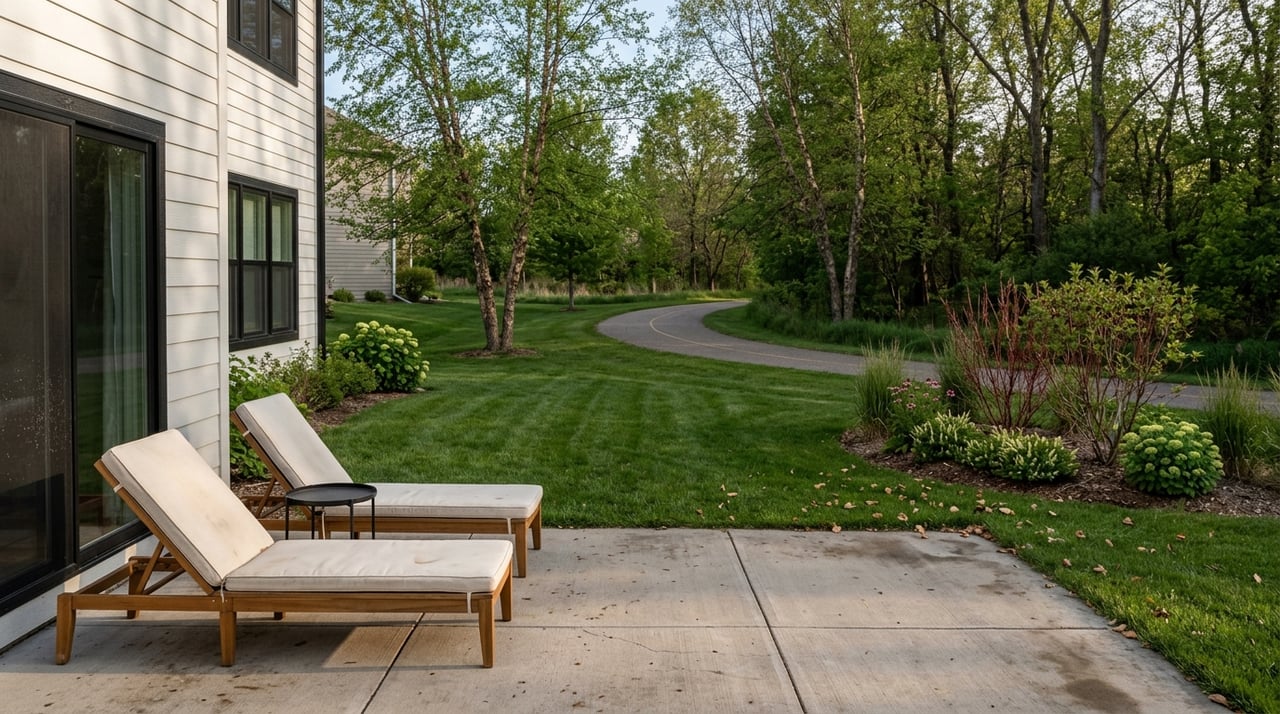
For many buyers, this means a familiar suburban experience. You may have more room for outdoor use, but you may also have more mowing, landscaping, and general maintenance to keep up with.
Buyers who want a more efficient lot may find that in or near downtown Powell. A 2024 plat review for Encore Park approved 19 single-family homes on 2.425 acres, with a gross density of 7.8 dwelling units per acre and open-space reserves.
That kind of site usually feels tighter and less yard-heavy than a conventional subdivision. If location and lower yard maintenance matter more to you than having a large private lawn, this type of lot may be appealing.
On parts of Powell’s edges, planning guidance has focused on preserving rural character. The comprehensive plan recommends conservation-style development in some areas north of Home Road, with clustered homes that work around natural features and preserve at least half of the overall development as open space.
For buyers, that can translate into a setting that feels less compact and more connected to open land. These properties may appeal to people who want a quieter edge-of-community feel without assuming every home will follow the same subdivision pattern.
Lot size is not the only thing that affects how a property feels. Lot geometry also changes how usable a yard feels, where the home sits, and whether the outdoor space feels broad, narrow, regular, or more estate-like.
Powell’s subdivision standards say residential lots of one acre or less should not be longer than three times their width at the building line. While buyers do not need to memorize code language, this standard helps explain why some lots feel wider and more balanced while others create a very different impression in person.
That is one reason two homes with similar square footage can live very differently. A broader lot may feel more open and flexible, while a narrower or more compact lot may reduce maintenance but change privacy and outdoor use.
When you walk through homes in Powell, try to keep your comparison simple. Instead of focusing only on finishes or room count, start by identifying the basic home and lot type in front of you.
Ask yourself:
Then connect those answers to your daily life. You may want one-floor living, less maintenance, more yard, more separation from neighbors, or a more established setting with mature landscaping.
In Powell, those choices often matter more than square footage alone. A home that looks great on paper may not feel right once you consider the lot, layout, and maintenance tradeoffs that come with it.
The best Powell home is not just the one with the right bedroom count. It is the one that fits how you want to live, how much maintenance you want to handle, and what kind of setting feels most comfortable to you.
That is especially true in a market like Powell, where buyers can see traditional two-story homes, sizable ranch and patio-home options, attached products, established subdivisions, and a range of lot types all within one city. Knowing those patterns before you tour can help you narrow your search and make better decisions faster.
If you want help sorting through Powell home styles, lot types, and what fits your goals best, connect with Kara Barnhart for a thoughtful, local-first conversation.
Stay up to date on the latest real estate trends.
A real estate experience built on trust, care, and clear guidance from start to finish. She takes the time to understand your family’s needs, handles every detail with intention, and ensures the process feels smooth and stress-free. With expert staging insight and specialized probate support, Kara is committed to protecting your interests and helping you achieve the best possible outcome.