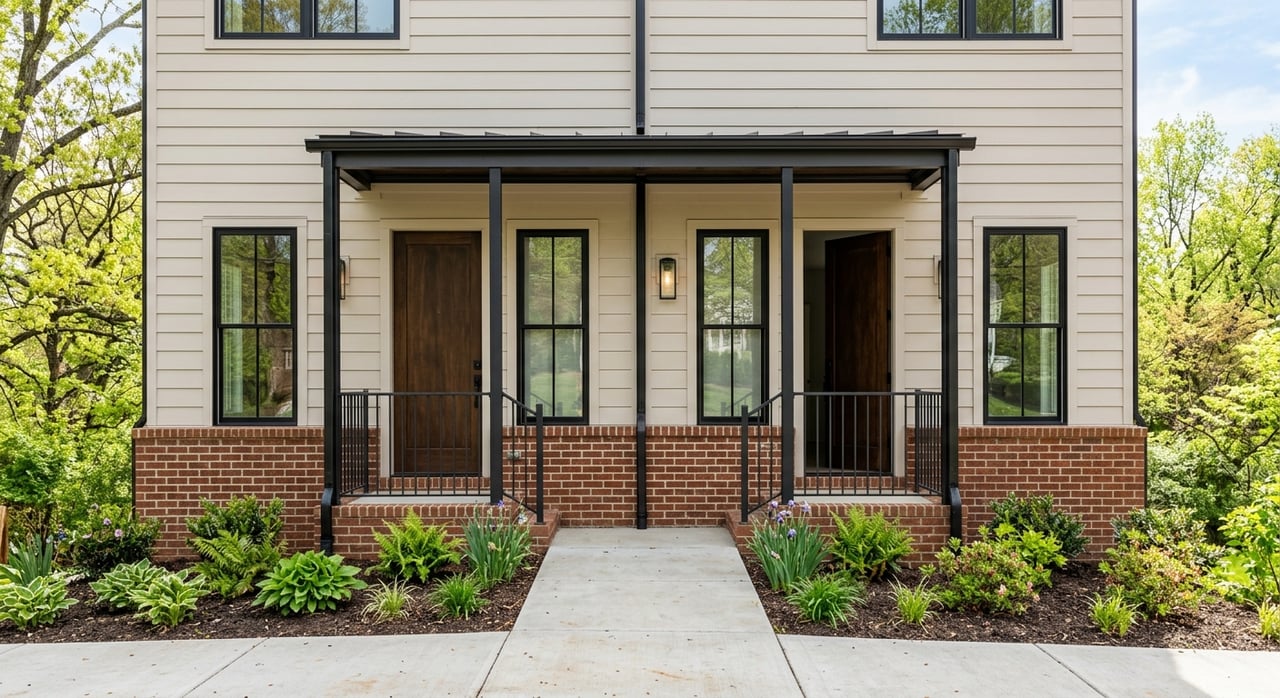
Condo, Townhome Or House In Dublin?
June 25, 2026
June 25, 2026
Trying to choose between a condo, townhome, or house in Dublin? You are not alone. Many buyers start with the look of the property, but the bigger question is how you want to live and what level of upkeep you want to handle. If you understand the tradeoffs in cost, maintenance, privacy, and ownership structure, you can make a choice that fits your life with more confidence. Let’s dive in.
In Dublin, the words condo, townhome, and house do not always tell the full story. What matters most is the legal structure behind the property, not just the exterior style.
Under Ohio law, a condominium owner owns the unit plus an undivided interest in the common elements, and the unit owners association governs the project. Planned communities are different. In those communities, owners typically own an individual lot, while an owners association handles shared expenses, reserves, and certain insurance responsibilities.
That is why a listing labeled “townhome” is only a starting point. A townhome may be legally set up as a condominium or as a planned community lot. Before you fall in love with the floor plan, you should review the deed, plat, and association documents to learn who maintains the roof, siding, yard, and shared walls.
Dublin gives you more than one lifestyle option. The city includes traditional suburban neighborhoods as well as denser, mixed-use areas.
The Bridge Street District is designed as a walkable, mixed-use neighborhood with a variety of residential options. At the same time, Dublin places a strong emphasis on parkland and open space, with 52 parks, more than 949 acres, and about 34 acres of parkland per 1,000 residents. That can be a major factor if you want less private yard work but still care about trails, bike paths, and outdoor access.
Dublin is also a competitive market. Recent market trackers showed a median sale price around $634,071 in May 2026, with homes moving in about 24 days and often selling around asking price. Available attached-home inventory also appears limited, with current search pages showing more condos than townhouses.
A condo can be a strong fit if you want simpler exterior upkeep and more shared maintenance. In many condo communities, the association dues may help cover exterior maintenance, common-area upkeep, water, sewer, trash, recreational amenities, insurance, and reserves.
That convenience can be attractive if you travel often, have a busy schedule, or simply do not want to spend weekends on yard work. In Dublin, that can pair well with access to public parks and walkable amenities, especially if your lifestyle leans more toward using community spaces than maintaining a private lot.
A condo usually comes with more association dependence. You should not assume what is covered by the dues because each community is different.
You also need to look closely at the project’s financial health. Under Ohio condominium law, reserves should be adequate to repair and replace major capital items unless owners waive that requirement. On top of that, conventional lenders may review deferred maintenance, critical repairs, and special assessments when deciding whether a condo project is financeable.
A condo may work well for you if you want:
A townhome often feels like the in-between option. You may get attached living with more separation than a condo building, while still avoiding some of the full maintenance load that comes with a detached house.
But in Dublin, townhome shopping requires extra care. The Census describes townhouses as side-by-side housing units, yet that physical layout does not determine the legal structure. Some attached homes are treated like single-family homes if they have a ground-to-roof wall and separate utilities, while others are part of a condominium structure.
Two townhomes can look similar from the street and work very differently on paper. One may include lot ownership with an owners association, while another may function as a condo with common elements and different maintenance responsibilities.
That is why townhomes are not a one-size-fits-all category. In one community, you may maintain your own roof and exterior. In another, the association may handle much of that work through your dues.
A townhome may work well for you if you want:
A detached house usually gives you the most autonomy. You have more direct control over your home, yard, and maintenance schedule, and you are less dependent on an association for everyday property decisions.
That added control often comes with more work and more direct costs. You are usually responsible for your own roof, siding, yard care, repairs, and other exterior upkeep. If you want space, privacy, and flexibility, that tradeoff may be worth it.
Dublin’s planning guidance for single-family residential PUDs, including townhomes, emphasizes purposeful open spaces, pedestrian-oriented streetscapes, and room for private outdoor space. If private outdoor living matters to you, a detached house may offer the clearest path to that lifestyle.
Still, you should not overlook the value of Dublin’s public open space. If your main goal is access to parks and trails rather than a large yard of your own, a house may not always be the automatic best fit.
One of the biggest mistakes buyers make is comparing only the mortgage payment. To get a true picture, you need to separate the mortgage from association dues and property taxes.
HOA or condo dues are usually paid directly to the association and are not included in your mortgage-servicer payment. That means a condo or townhome that looks affordable at first glance may carry a larger monthly cost once dues are added.
Franklin County property taxes are based on appraised value, and the county is in a 2026 triennial update cycle. Because taxes can vary by parcel, you should verify the actual tax bill for the property you are considering instead of relying on a broad city estimate.
Before you decide, ask for clear answers on:
The right property type is often more about your daily life than about a simple price comparison. A lower-maintenance condo can be a smart move if your time is limited or you prefer shared amenities and less exterior responsibility.
A townhome can make sense if you want a blend of convenience and private space, but only after you confirm the legal setup. A house may be the better fit if you want the most control and do not mind taking on more upkeep.
In Dublin, that choice is especially personal because the city offers both walkable mixed-use living and park-oriented suburban living. There is no universal winner. The best option is the one that matches your maintenance tolerance, budget, privacy goals, and preferred use of outdoor space.
If you want a quick shorthand, this is a useful way to think about it:
If you are weighing these options in Dublin, a careful review of the documents can save you from costly surprises later. Whether you are buying your first place, moving up, or trying to simplify your lifestyle, working through the details early can help you choose with clarity. If you want thoughtful guidance on comparing homes, documents, and real monthly costs, Kara Barnhart is here to help.
Stay up to date on the latest real estate trends.

A real estate experience built on trust, care, and clear guidance from start to finish. She takes the time to understand your family’s needs, handles every detail with intention, and ensures the process feels smooth and stress-free. With expert staging insight and specialized probate support, Kara is committed to protecting your interests and helping you achieve the best possible outcome.